Spinal kinesiopathology is the unusual positioning or motion of the spinal bones, to the point where the patient’s ability to turn and bend is restricted. It is one of five components of vertebral subluxation complex — a set of symptoms and signs that affect the spinal column — and it puts the
Read moreVertebral Subluxation
Spinal Decompression from Our Chiropractor near You in Winter Park, FL
If you have back or neck pain, the conditions can reduce your range of motion and prevent you from participating in your favorite activities. At Lions Chiropractic & Injury in Winter Park, FL, we offer various treatments, including spinal decompression, to reduce your discomfort and improve your overall health. Before you schedule your appointment, keep reading to learn more about this treatment!
How Spinal Decompression Works
This therapy involves the use of a specialized decompression table that applies controlled traction to the spine. The gentle stretching reduces pressure on spinal discs, allowing bulging or herniated discs to retract. This process also increases blood flow and nutrient exchange, which supports the body’s natural healing response.
Conditions That Benefit from Spinal Decompression
Spinal decompression is commonly used to treat a variety of conditions affecting the back and neck. Many patients find relief from chronic pain and mobility issues caused by pressure on the spine. Common conditions that respond well to this treatment include:
- Herniated or Bulging Discs – Reducing pressure on the discs helps them return to their normal position.
- Sciatica – Relieving nerve compression can ease pain that radiates down the legs.
- Degenerative Disc Disease – Creating space between the vertebrae can slow disc deterioration.
- Chronic Back or Neck Pain – Stretching the spine alleviates tension and improves flexibility.
What to Expect During Treatment
A session typically lasts between 15 and 30 minutes. Patients lie on a motorized table while our chiropractor adjusts the traction to target specific areas of the spine. The treatment is gentle and relaxing, with most patients experiencing little to no discomfort. Several sessions may be needed to achieve lasting relief and maintain spinal health.
Contact Lions Chiropractic & Injury for an Appointment Today
If you’re considering spinal decompression, contact Lions Chiropractic & Injury in Winter Park, FL, at (407) 951-5500 today. Our team is ready to answer any questions you have and assist with scheduling your appointment. When you need a trusted chiropractor near you, our team is here to help!
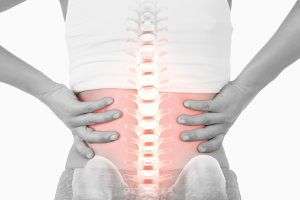
Vertebral subluxation refers to a set of signs and symptoms that affect the spinal column. Specifically, it is a complex that occurs when the bones of the spine lose their usual position and motion due to chemical imbalances, alcohol, prolonged sitting, trauma or even stress. An automobile accident and improper lifting are just two types of trauma that can cause vertebral subluxation complex, or VSC.
How Does Vertebral Subluxation Complex Affect the Body?
The term “complex” is associated with vertebral subluxation because, as the word suggests, the condition is multifaceted and consists of many elements. This is because VSC is the underlying cause of health care problems. When one or more vertebrae are misplaced or fail to carry out their intended motion, they can disrupt the function of the nervous system. The vertebral bones are designed to contain and guard this system, so interference can lead to pressure on the spinal cord or the nerve roots as they pass out of the spinal column. When VSC presents, a number of things can happen to affect the spine, its related soft tissues, and even the tissues and organs controlled by the affected nerves.
Vertebral Subluxation Complex and Its Five Interrelated Parts
VSC typically has — and is — identified by five major interconnected components, including:
- Spinal kinesiopathology. This component sounds much like vertebral subluxation itself. Here, the bones of the spine have lost their natural motion and position, making it difficult for the patient to turn and bend. It sets the other four components in motion.
- Myopathology. When the muscles sustaining the spine weaken, atrophy or become stiff, they can go into spasm. This can result in scar tissue that changes the muscle tone.
- Neuropathophysiology. If the spine functions improperly, it can obstruct, stretch or agitate nerve tissue. Nerve tissue is delicate. Irritation in these ways can cause nerve system dysfunction and lead to aggravating symptoms elsewhere in the body.
- Histopathology. A patient’s body temperature can rise due to an increase in blood and lymph supplies. This, in turn, can lead to inflammation and swelling, which can then cause discs to protrude, tear, herniate or deteriorate.
- Pathophysiology. This is when abnormal bony growths like bone spurs try to meld faulty spinal joints, leading to decay of the spine, scar tissue and nerve dysfunction.
The articles within this section discuss each of the five components further.
How Chiropractic Treatments Can Help
Your chiropractor will not only detect and minimize VSC, but, once the spinal bones are back in their normal position and have regained their natural function, he or she will try to prevent the problem from recurring. Chiropractic treatments, particularly spinal adjustments, can be used to treat VSC and ward off its associated symptoms.
To find out how chiropractic treatments can be designed to address your particular VSC-related condition, contact your practitioner.
-
Spinal Kinesiopathology
-
Pathophysiology
Pathophysiology means the function in an individual or an organ is disturbed due to disease, leading to a structural defect. In chiropractic care, it often presents when unusual bony growths, such as bone spurs, attempt to fuse malfunctioning joints, causing the spine to degrade, joints to become altered,
Read more -
Neuropathophysiology
Neuropathophysiology refers to pathophysiological conditions that affect the nervous system. A more recognizable term may be neuropathy. Neuropathy is not a single disease; rather, it is an umbrella term used to describe a host of disorders that affect various nerves in various ways, in various areas
Read more -
Myopathy
Myopathy refers to a group of muscle diseases that are caused by muscular dysfunction that results in muscle weakness and waste. It is important to recognize that while some myopathic conditions can be caused by reduced nerve supply or excess nerve supply, the disorders do not stem from a neurological
Read more -
Histopathology
Following a car accident, the bones of the spine may shift out of their original position or lose their normal motion, in what’s called vertebral subluxation complex. This condition is characterized by a set of signs and symptoms that affect the spinal column. Histopathology is one of its five major
Read more
Contact Us
Our Location
Find us on the map
--mi
Address
2221 Lee Rd #20
Winter Park, FL 32789
