
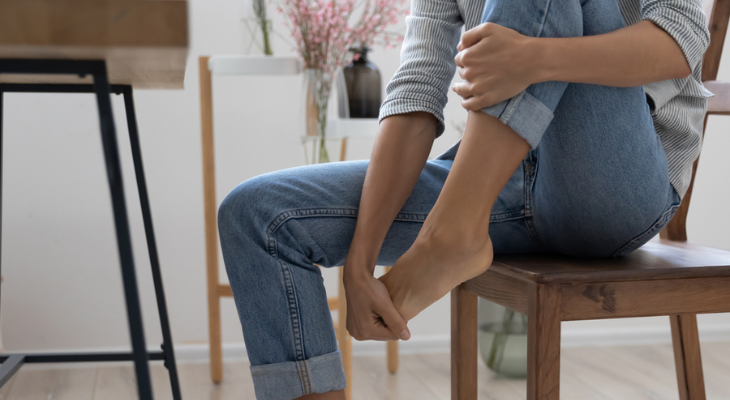
Custom Orthotics Could Be What You Need to Fight Foot Pain
Sore, aching feet are a common problem in the U.S. In fact, 51 percent of adults surveyed by the American Podiatric Medical Association reported struggling with daily activities due to foot pain. Custom orthotics can ease pain and make walking and standing much more comfortable.
What Are Orthotics?
Orthotics are shoe inserts that cushion, align, and support your feet. The inserts are available in both over-the-counter and custom varieties.
What Is the Difference Between Drugstore and Custom Orthotics?
Over-the-counter orthotics use a one-size-fits-all approach to relieving foot pain. While the shoe inserts may be helpful for some people, they might actually worsen pain for others. Custom orthotics are designed by your chiropractor to address your specific foot issues. The inserts are made from a physical or digital impression of your foot to ensure a perfect fit.
Who Can Benefit from Orthotics?
Orthotics relieve pain caused by a variety of foot conditions, including:
- Overpronation. Overpronation occurs when the inside of your foot turns too far inward when you walk. In addition to causing pain in your feet, overpronation may also disrupt the natural alignment of the bones in your legs, hips, and back, triggering pain in these areas. If you overpronate when you walk, you may be more likely to develop Achilles tendinitis, plantar fasciitis, and other foot conditions. Orthotics align and support the foot, preventing this inward turn.
- Arch Issues. Both low and high arches can cause foot pain. Arch problems may also affect the alignment of your spine and legs and cause pain in your knees, hips, or back. In addition to supporting the arches, orthotics reduce pain by distributing pressure equally over the surface of the foot.
- Arthritis. Both osteoarthritis and rheumatoid arthritis cause pain and swelling in the joints in the feet. Orthotics cushion sore feet and make walking less painful.
- Plantar Fasciitis. Plantar fasciitis, a common cause of heel pain, occurs when the band of connective tissue that connects the heels to the toes becomes inflamed. Every year, about 10% of the U.S. population develops plantar fasciitis, according to Medscape. Wearing orthotics reduces stress and inflammation in the fascia and helps it heal.
- Overuse. Foot pain is more common in people who stand for hours, run, or play sports. Orthotics decrease pressure, offer extra cushioning, and prevent your feet from moving too much in your shoes.
- Aging. The layer of fat covering the bottoms of your feet thins with age. Without that natural cushion, walking and standing can become painful. Orthotics support and cushion your foot, relieving and preventing soreness.
- Other Conditions. Orthotics are also helpful in decreasing pain caused by bunions, bursitis, hammertoes, heel spurs, sprains, and diabetes.
What Are the Type of Custom Orthotics?
Your chiropractor will recommend a type of orthotic depending on your foot condition. Orthotic types include:
- Rigid Orthotics. These orthotics are made of inflexible materials, like plastic carbon fibers or stainless steel. Rigid orthotics are ideal if your foot pain is caused by abnormal foot motion. The orthotics align the foot and reduce motion. They can be helpful for plantar fasciitis and arch pain and may also reduce pain in the legs, hips, and back.
- Semi-Rigid Orthotics. Semi-rigid orthotics consist of a hard inner core covered by a softer material. These orthotics offer support and cushioning, while also improving balance. They're a good choice if you run or walk for exercise and are also helpful for flatfoot, plantar fasciitis, overpronation, hammertoe and foot alignment issues in children. Semi-rigid orthotics may offer a good option if you find rigid orthotics uncomfortable.
- Soft Orthotics. Ideal for cushioning, soft orthotics feature several layers of foam. In addition to improving comfort and absorbing shock, they also reduce pressure that can cause blisters and calluses. These orthotics can be helpful for people who have age-related foot pain, diabetes, bunions, and arthritis.
- Heel Cups. Heel cups only cover the heel portion of shoes. They ease pain caused by Achilles tendinitis, plantar fasciitis, heel spurs, and other conditions.
Ready to ease your foot pain with orthotics? Contact our office to schedule an appointment with our chiropractor.
Sources:
Medscape: Plantar Fasciitis, 1/22/2019
https://emedicine.medscape.com/article/86143-overview
American Podiatric Medical Association: Public Opinion Research on Foot Health and Care: Findings from a Survey of 1,000 US Adults, 3/2014
https://www.apma.org/files/APMA2014TodaysPodiatristSurveyAllFindings.pdf
Medscape: Plantar Fasciitis, 1/22/2019
https://emedicine.medscape.com/article/86143-overview
Healthline: Orthotics: Are They the Answer to Your Foot, Leg, or Back Pain? 3/19/2019
https://www.healthline.com/health/bone-health/orthotics#takeaway